Our Design Services
At Door 44 Design, we offer a comprehensive suite of creative services designed to help your business stand out and connect with your audience.
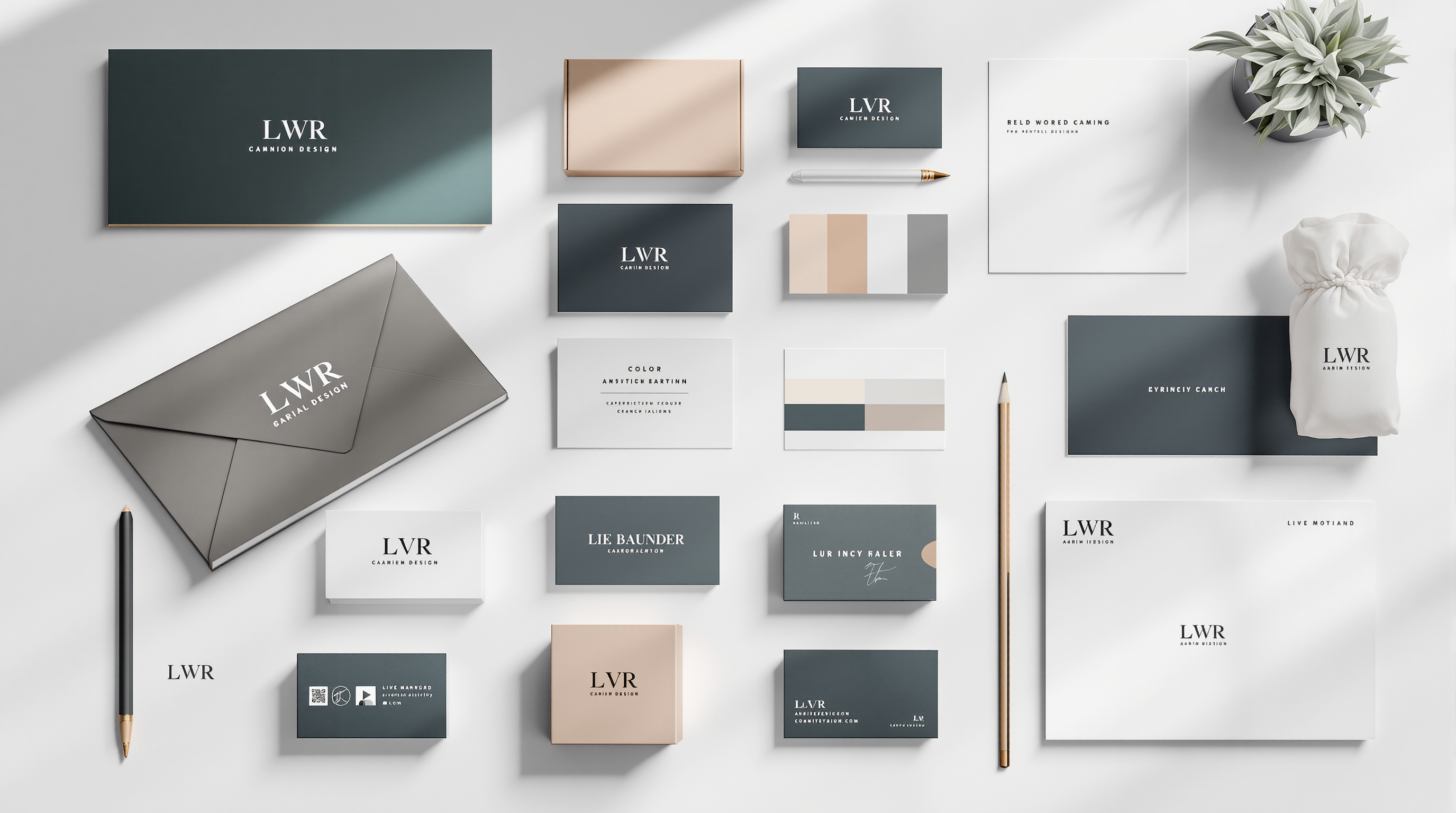
Brand Identity & Strategy
Your brand is more than a logo—it's the complete experience customers have with your business. Our brand identity services create cohesive visual systems that communicate your unique value and resonate with your target audience.
- Brand strategy and positioning
- Logo design and variations
- Color palette development
- Typography system
- Brand guidelines documentation
Palettes That Pass Contrast
A palette needs defined color pairings, not just swatches. The WebAIM contrast checklist calls for at least 4.5:1 for ordinary text and 3:1 for large text. Color cannot be the sole way to distinguish meaning. Document text and background pairs together, with labels or other cues for selected items.
Choosing a Name You Can Protect
The USPTO's guide to strong trademarks groups fanciful, arbitrary and suggestive marks as strong, while descriptive and generic marks are weak. Generic terms cannot be federally registered. A name's visual appeal and its trademark strength are separate questions.
The USPTO fee guide lists a base application fee of $350 per class of goods or services, and $650 per class for the declaration and renewal due every 10 years. These are filing costs, not a promise of registration.
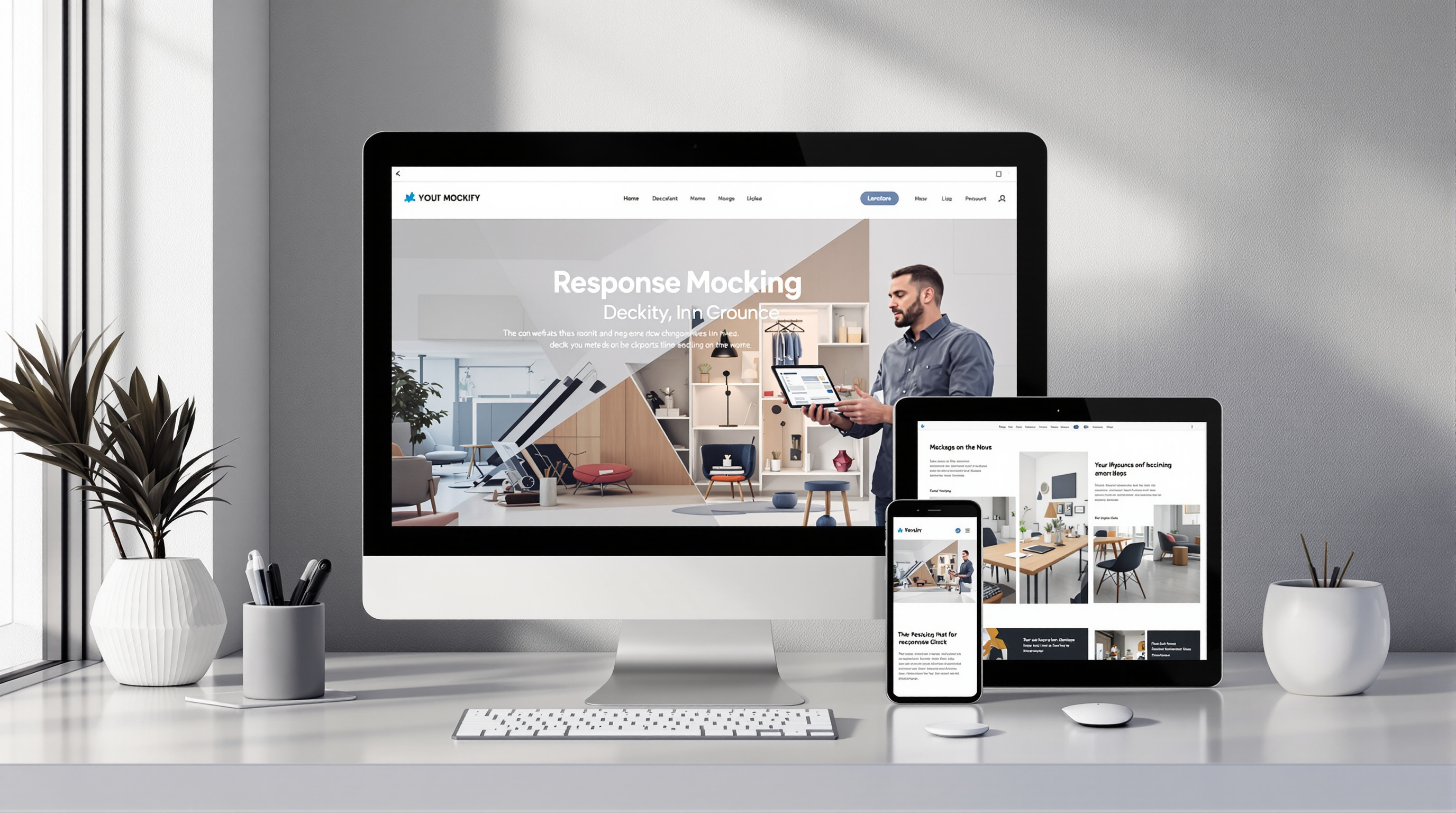
Web Design & Development
Your website is often the first impression potential customers have of your business. We create beautiful, functional websites that engage visitors and drive conversions. Our design learning resources include publications, professional organizations, and tools for creative work.
- User experience (UX) design and research
- Custom visual design
- Responsive, mobile-first development
- Content management systems (CMS)
- E-commerce solutions
- Search engine optimization (SEO) basics
In a 2003 survey of website redesign projects, the Nielsen Norman Group found that redesigning for usability improved sales and conversion rates by 100% on average.
Accessibility as a Baseline
In its February 2026 evaluation of one million home pages, WebAIM found detected WCAG failures on 95.9% of pages. The WebAIM Million report describes automated findings, not a complete measure of accessibility.
For state and local governments, the ADA Title II web rule generally requires WCAG 2.1 Level AA for web content and mobile apps. Compliance dates are April 26, 2027 for entities with populations of 50,000 or more, and April 26, 2028 for smaller entities and special district governments.
The European Accessibility Act took effect on 28 June 2025 for a range of products and services. For a closer look at contrast ratios, alt text and WCAG 2.2 criteria, see the guide to accessible design.
Print & Collateral Design
Despite the digital revolution, print materials remain powerful marketing tools. From business cards that make memorable first impressions to comprehensive annual reports, we create print collateral that reinforces your brand.
- Business cards and stationery
- Brochures and flyers
- Catalogs and lookbooks
- Annual reports
- Signage and environmental graphics
Paper Stock and Recycling
Paper choices benefit from distinguishing national recycling figures from the specification of a particular printed item. In its 2025 U.S. recycling report, the American Forest & Paper Association, an industry association, put paper recycling at 61%-65% and cardboard at 70%-75% of material available for recovery.
The association reported around 45 million tons of paper recycled in the United States in 2025. Nearly half went into containerboard, the material used for cardboard boxes. It also reported that U.S. mills used 31.4 million tons of recycled paper to make products that year.
Those national figures do not establish the recycled content or disposal route of an individual brochure. A print specification can treat paper stock, recycled content and intended use as separate questions. Keep environmental wording tied to the specific item, rather than turning a national recycling range into a product claim.
Accessibility Checks Through the Process
Accessibility can be part of each design decision rather than a single final inspection. The GOV.UK explanation of WCAG 2.2 names four principles: perceivable, operable, understandable and robust. In a project brief, these give a shared vocabulary for discussing how people find information and use controls.
During visual design, note text alternatives, readable color pairs and cues that do not depend on color alone. During implementation, check keyboard use, meaningful field labels and controls that are large enough or spaced apart. Review layouts with enlarged text so that content remains available, rather than assessing only a fixed-size mockup.
GOV.UK recommends combining automated tools with manual tests. Keep a record of the tasks examined, the barriers found and the changes made, then return to those tasks after corrections. This keeps testing tied to actual use.
Design Excellence and Professional Stamina
Delivering exceptional design work consistently requires more than creative talent—it demands the mental and physical stamina to maintain focus, meet deadlines, and push creative boundaries project after project. Our team understands that sustainable creative excellence comes from balancing artistic ambition with professional wellness practices that support long-term performance.